
Long and short fiber parts can be manufactured with excellent structural integrity and consistency.
High process stability in automated mass production with repeatable quality output.
Optimized weight-to-performance ratio for demanding structural applications.
Injection Molding of fiber-reinforced thermoplastics enables the production of high-strength, lightweight technical components with excellent stiffness and impact resistance with increased toughness.
Thermoplastics are commonly reinforced with short or long glass fibers, typically ranging from 15–50% fiber content, while advanced structural applications may require fiber contents exceeding 60%.
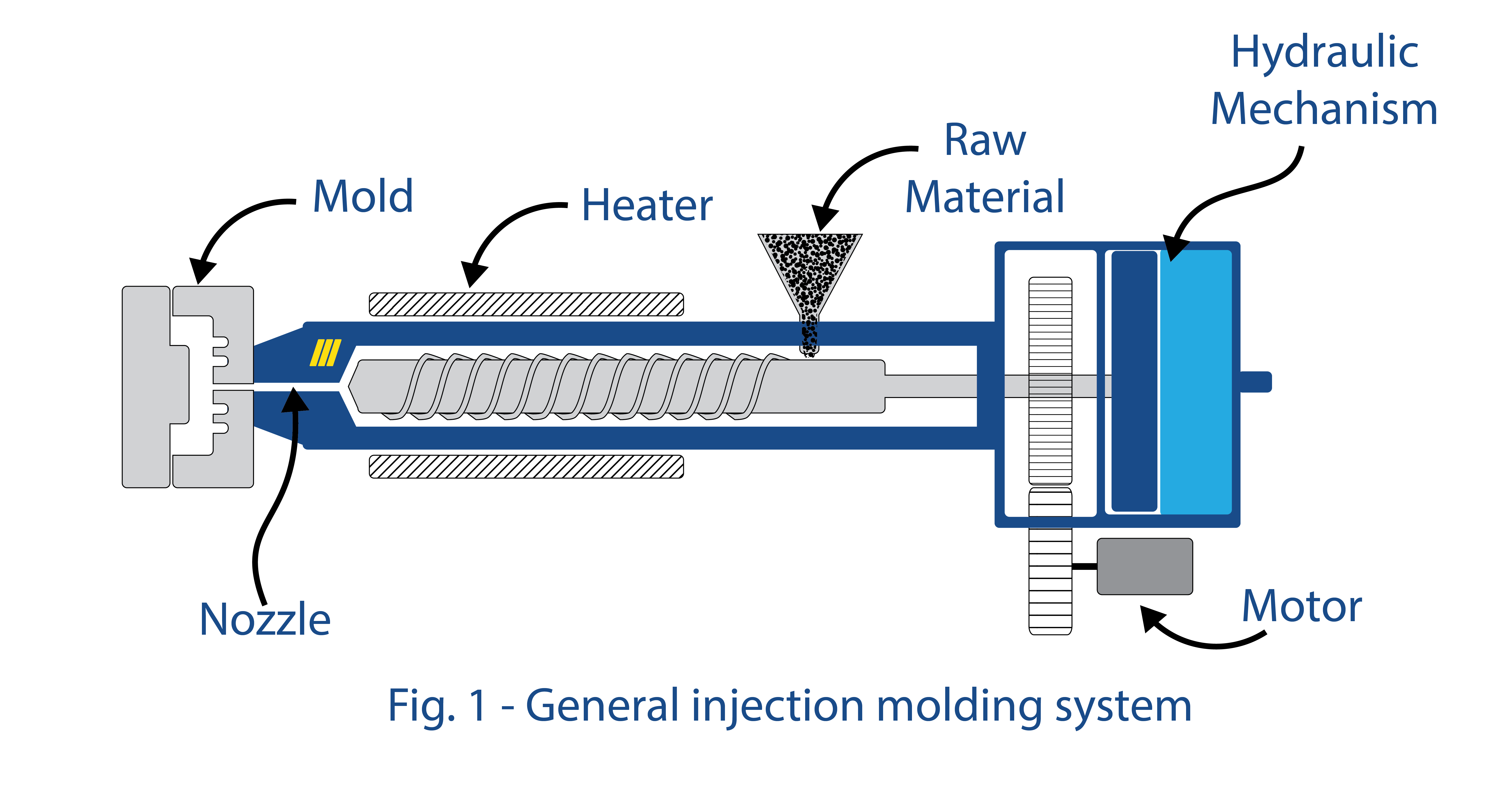
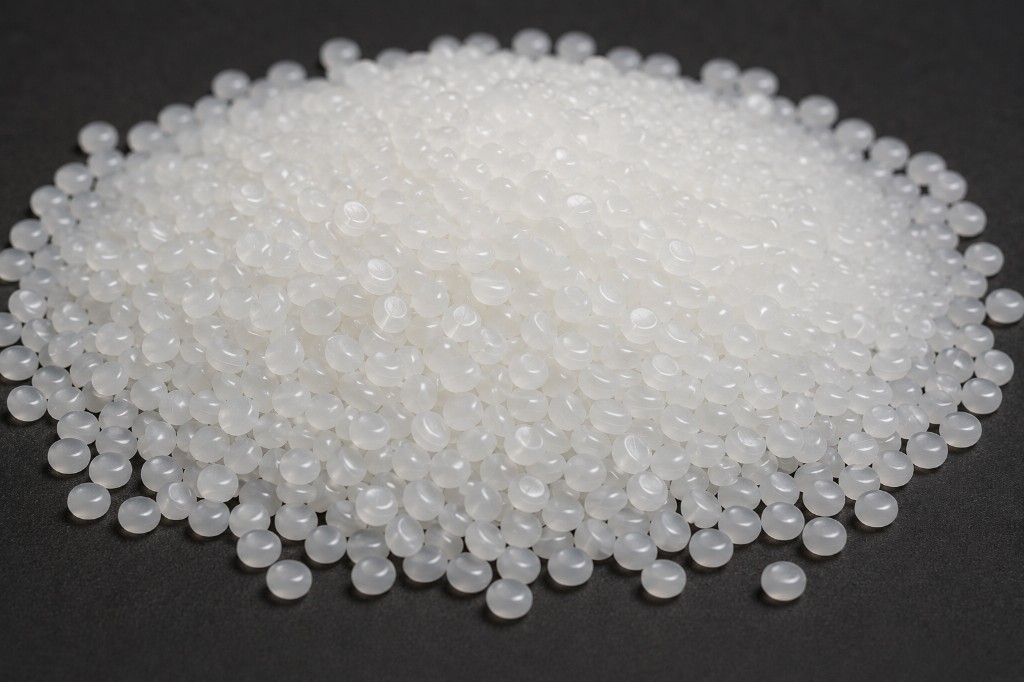
Fiber-reinforced thermoplastic pellets are plasticized in a wear-protected plasticizing unit
Special screw geometries reduce fiber breakage and material degradation
Melt is injected into mould cavity with optimized flow control
Injection compression and tailored mould design improve fiber integrity
Component is cooled and ejected as a structural part
Long-fiber solutions are particularly suited for semi-structural and impact-resistant automotive components, providing exceptional durability under real-world conditions.
The use of long-fiber-reinforced thermoplastic pellets (12–25 mm fiber length) significantly enhances the mechanical performance of structural components.
Specialized processing solutions ensure that the reinforcing advantages of long fibers are retained during plasticizing and mould filling for optimal performance.
Autodynamics can mold the below available thermoplastic. Please reach out to your specific resin need.
Long glass fiber reinforced PP delivers high stiffness, impact strength, and structural performance in molded components. It supports metal replacement strategies with significant weight savings in demanding load paths.
Common applications
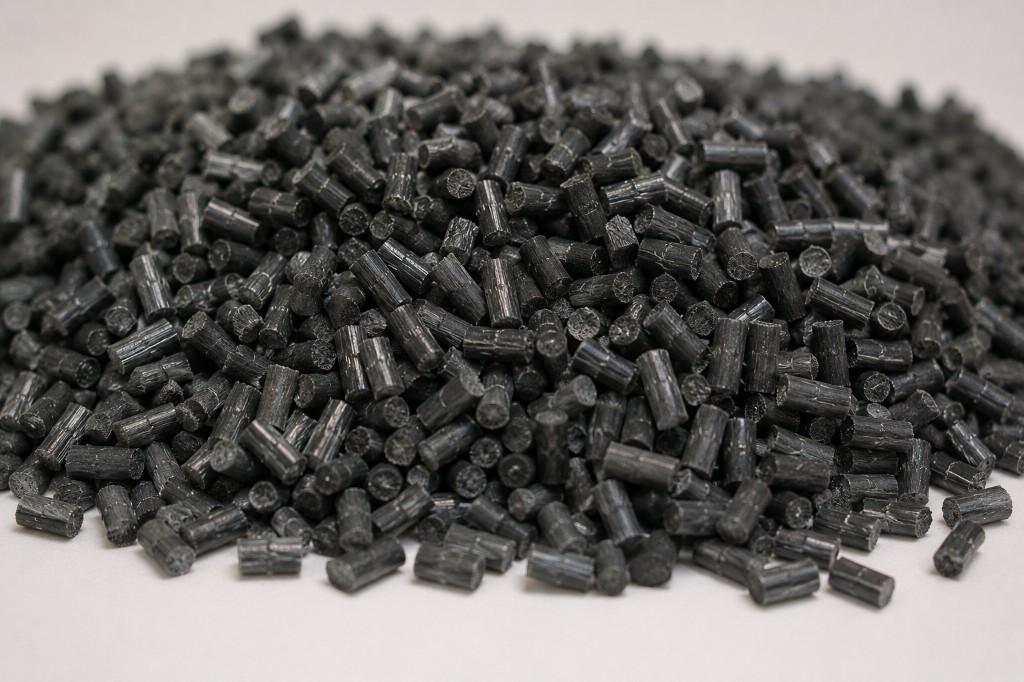
Glass-filled nylon grades (PA6 and PA66) offer high strength, stiffness, and heat resistance for demanding automotive environments. They perform reliably under elevated temperatures and sustained mechanical loads.
Common applications
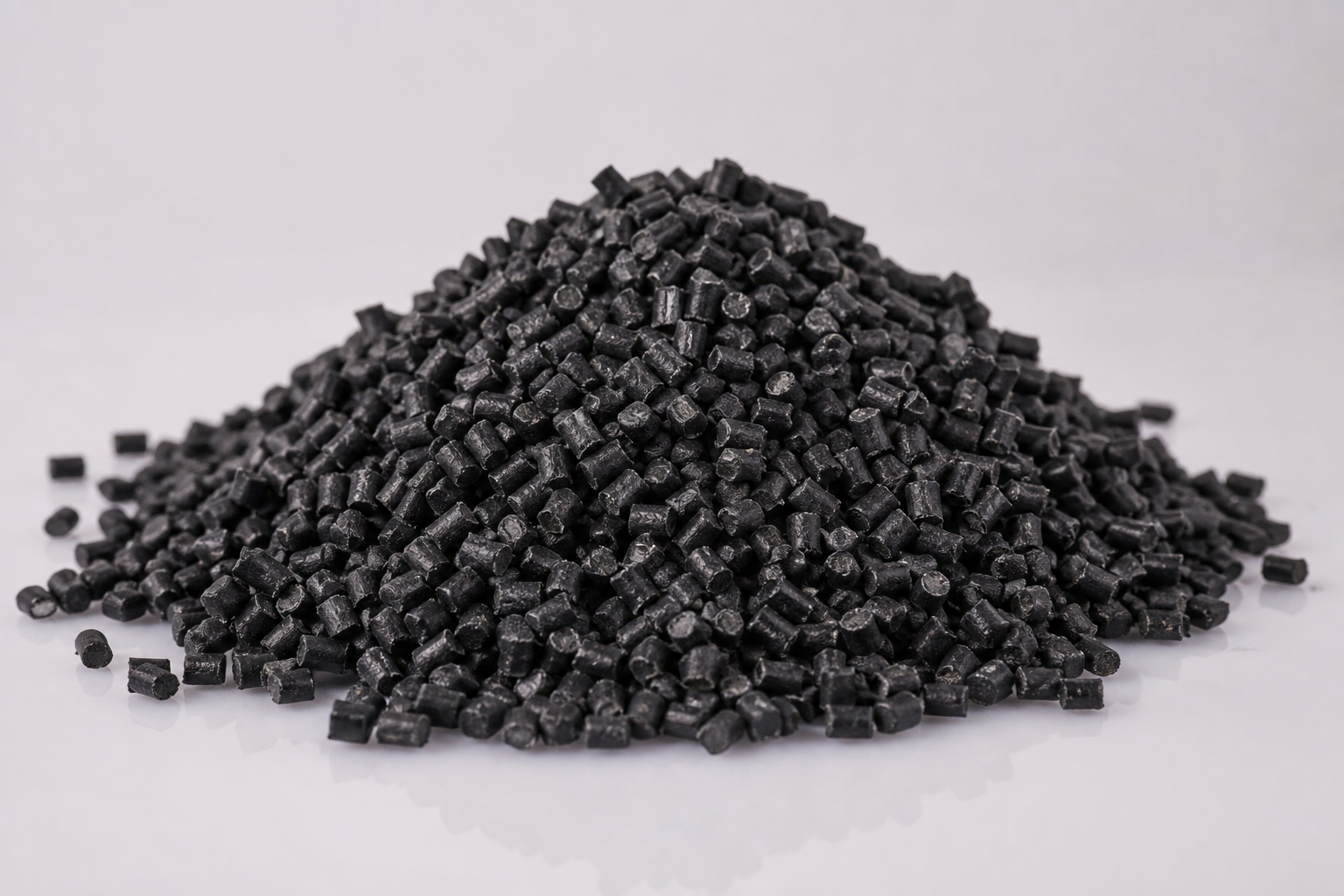
ABS combines toughness, rigidity, and excellent surface finish for painted or textured interior components. It balances impact performance, aesthetic quality, and efficient high-volume production.
ASA offers excellent UV stability, weather resistance, and color retention for exterior automotive applications. It maintains appearance and performance under long-term sunlight and environmental exposure.
Common applications
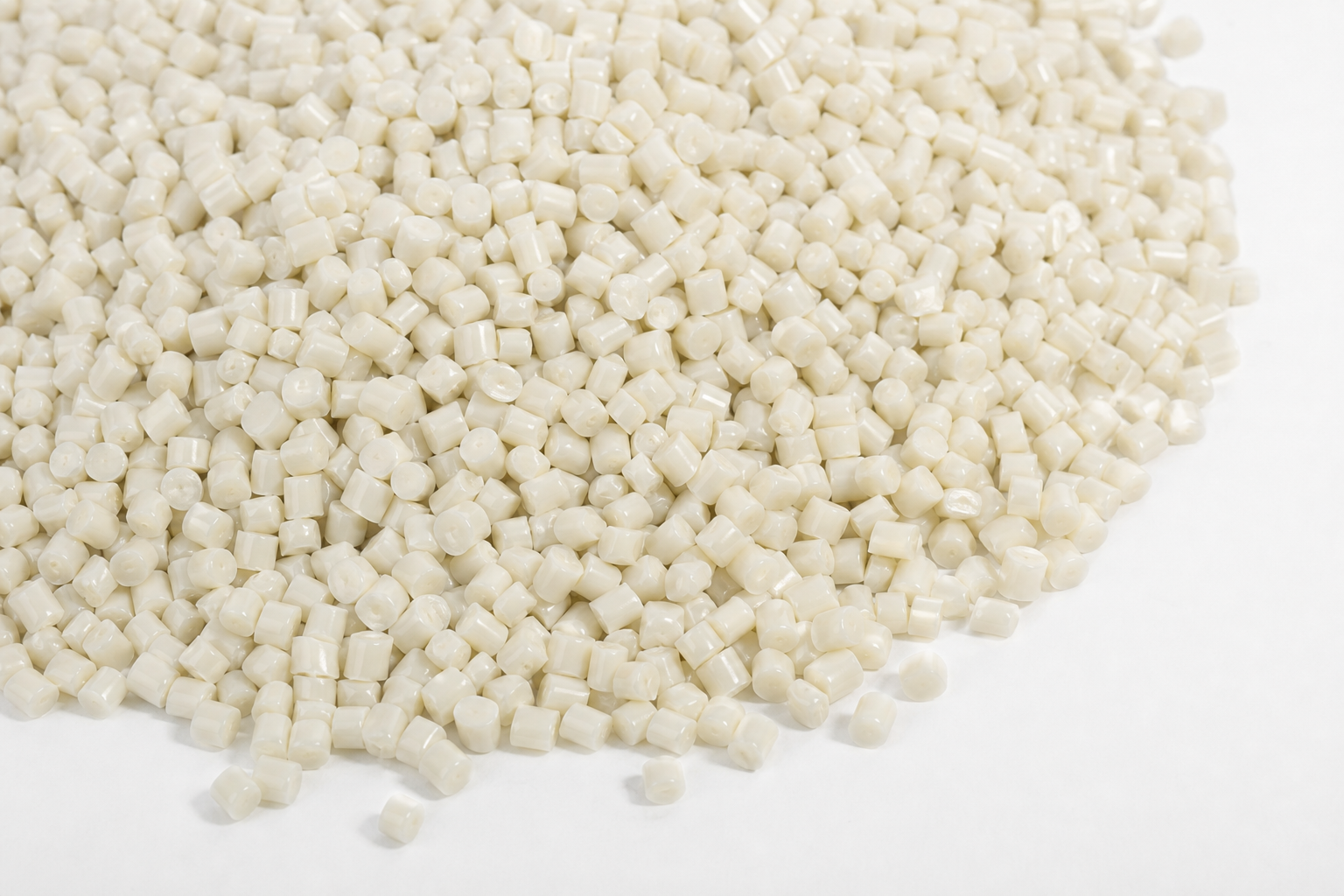
Polypropylene is a lightweight, cost-effective thermoplastic with excellent chemical resistance and good fatigue performance. It offers strong durability and efficient processability for high-volume automotive programs.
Talc-filled PP improves stiffness, dimensional stability, and heat deflection compared to unfilled grades. It reduces shrinkage and warpage while maintaining efficient molding cycles for semi-structural parts.
Common applications
Technical molding applications include: